Problem
Customers are tied to different stock locations, so each should see and be able to buy only what is available to them. When stock at a location ran out, the store needed a way to take a request instead of a dead end. Updating stock by hand from supplier spreadsheets was slow.
Solution
Customer tags decide which location's stock a shopper sees, and the theme filters products, collections, search and menu links on that basis. A helper then limits the quantity in the cart to the stock at the customer's location, and a request-order form takes over when it is zero. Invoices in the account page come from metaobjects. The inventory tool merges one or two supplier files into a Shopify import file and lists unknown SKUs.
Key decisions
Chose one helper for the quantity limit
Why Every add-to-cart button and quantity field uses the same rule, so the cap is consistent.
Chose a request-order form over hiding out-of-stock products
Why Customers can still ask for an item that is not on hand.
Results
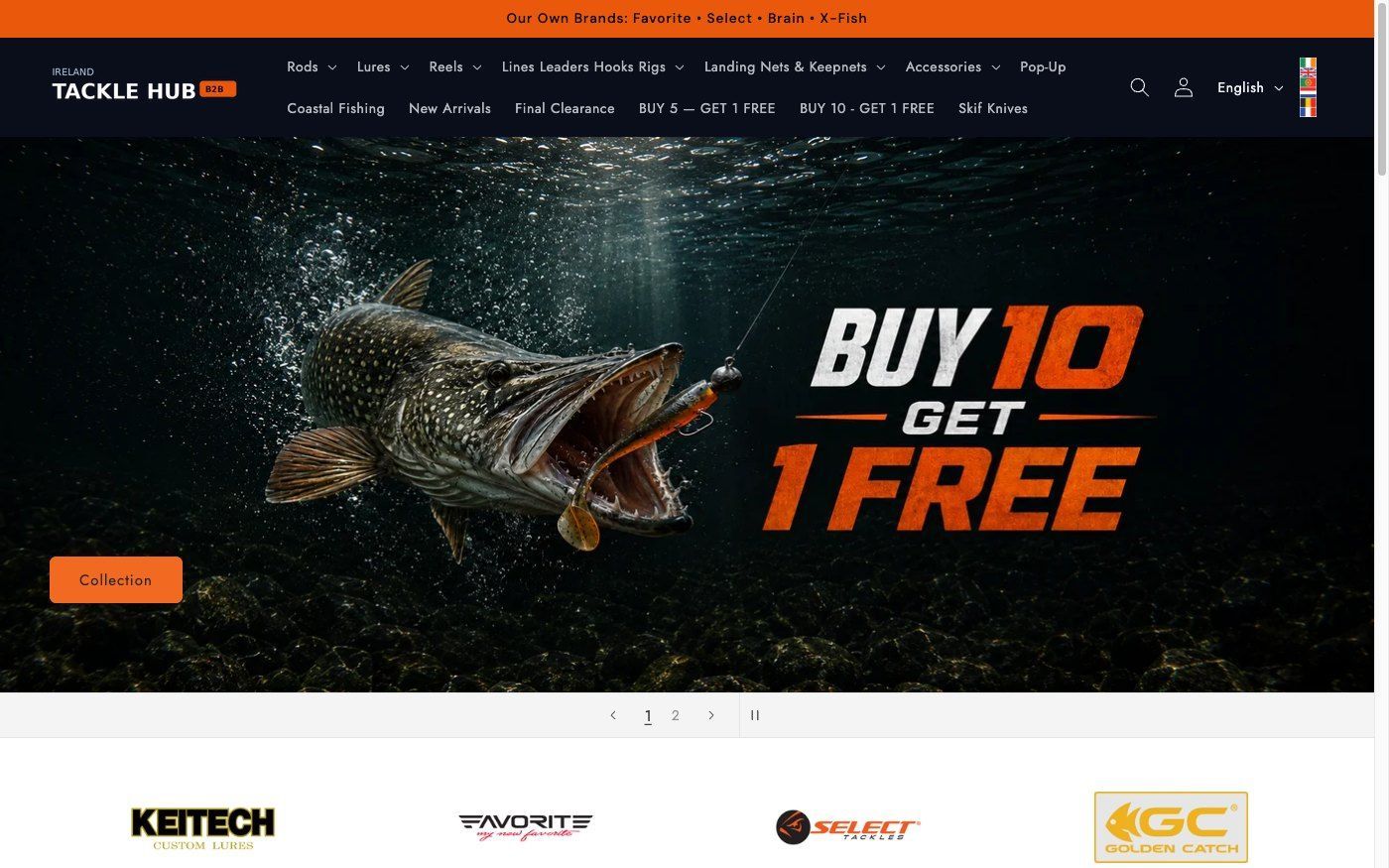
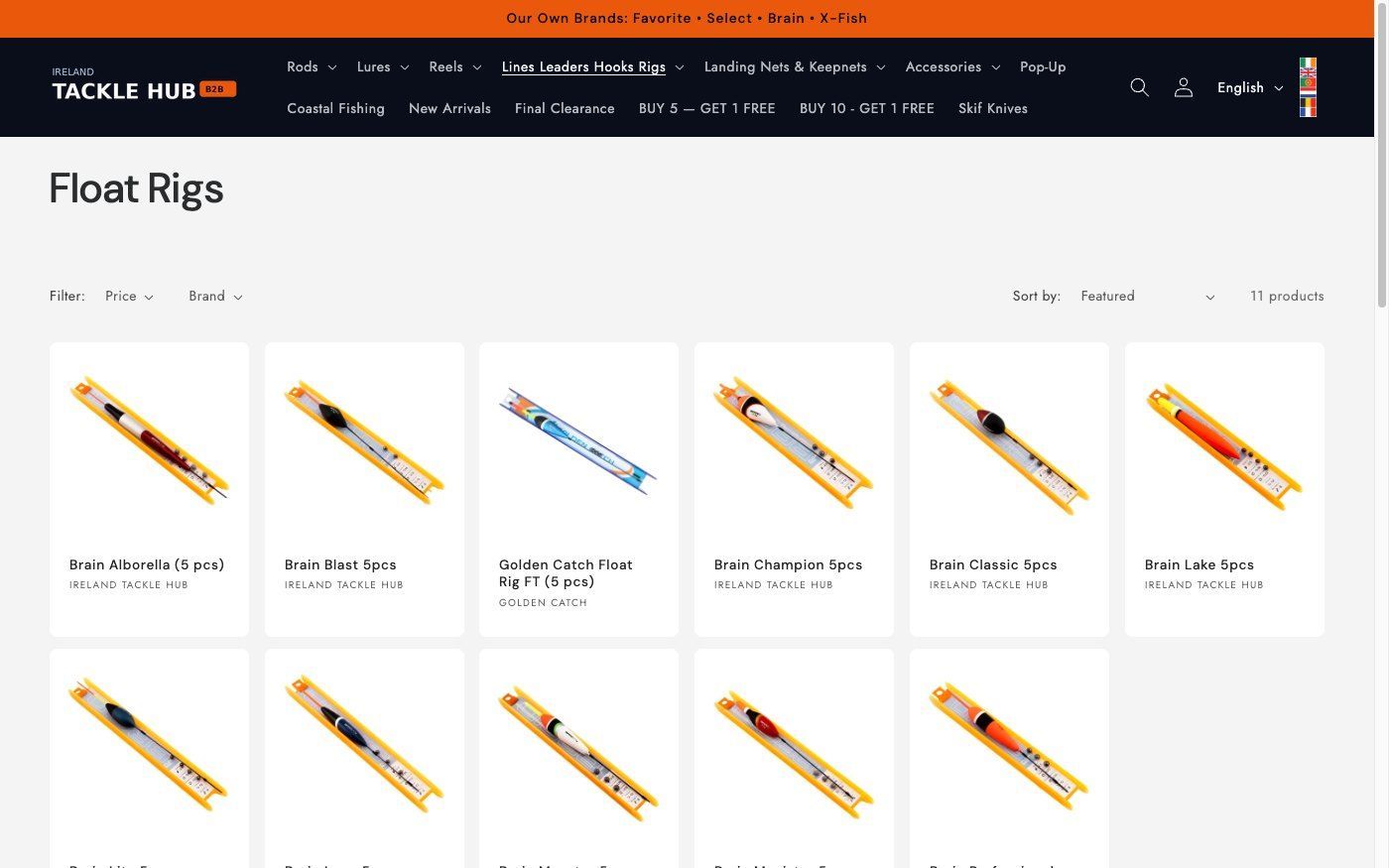
- Product, collection, search and menu visibility by customer tag.
- Cart and quantity limits by location stock, with a request-order modal.
- Delivery badges, a country selector with flags, and custom invoices in the account.
- A packaged inventory updater for Windows and macOS that writes a missing-SKU report.